
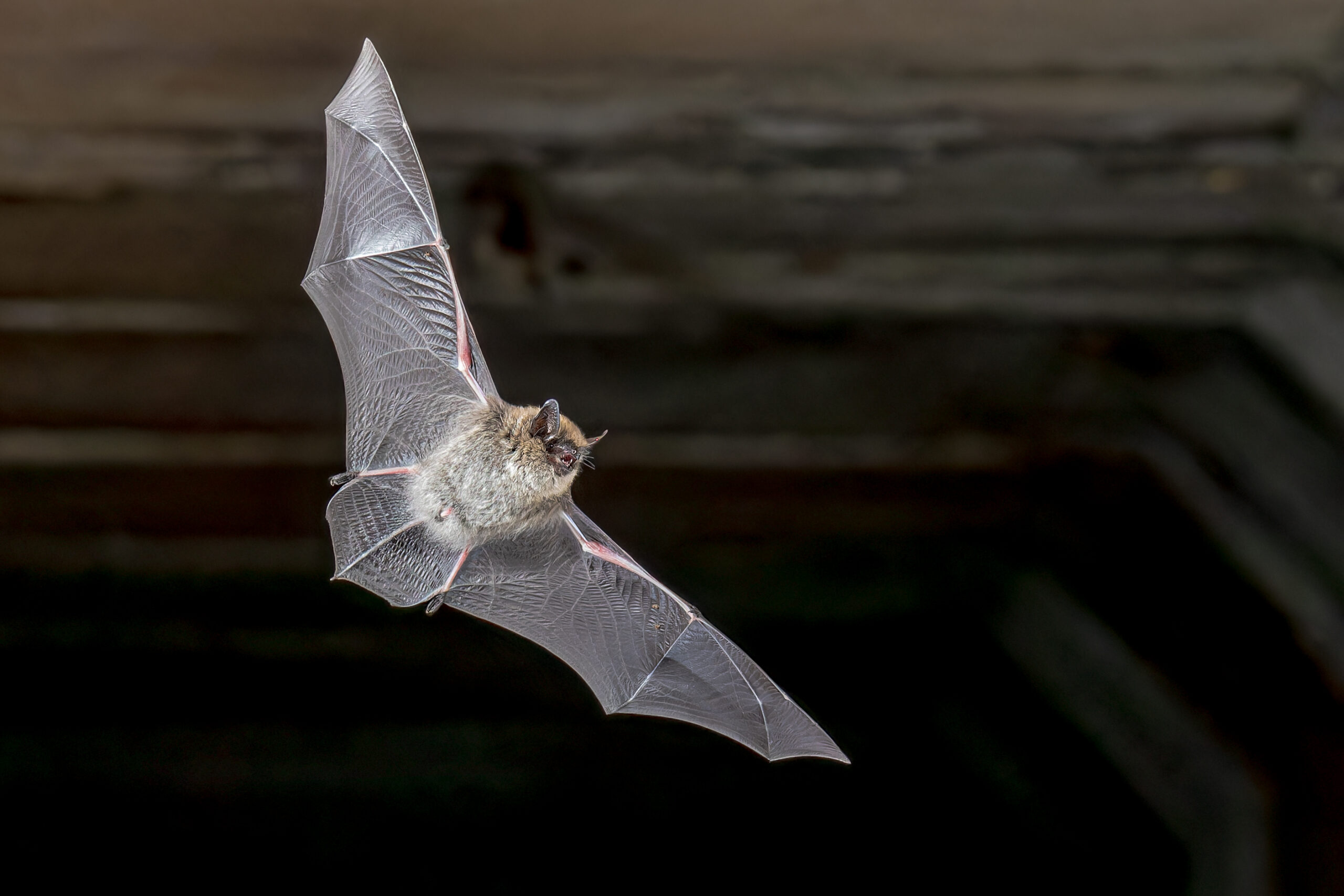
When it comes to bat exclusion, humane bat eviction relies on one-way exclusion devices installed at entry points, allowing bats to exit but blocking reentry, followed by permanent sealing of gaps. Trapper Tim’s, serving Morgan County homeowners, recommends scheduling exclusions during optimal months, avoiding maternity season when flightless pups remain in attics, ensuring ethical, effective, long-term removal.
Key Takeaways
- Bats roost in buildings for protection, stable temperatures, and safe shelter to raise young.
- One-way exclusion devices let bats leave but prevent them from returning to your home.
- Exclusions work best during March–April or August–October for optimal humane bat removal timing.
- Humane bat control protects your property while preserving bats’ critical ecosystem role and function.
What’s Causing Bats To Enter Your Attic?
Structural gaps and warm shelter draw bats into Morgan County attics. Buildings offer protection from predators, along with stable temperatures ideal for rest and for raising young. An attic mimics the tight, dark crevices bats seek in caves or hollow trees, making it an attractive substitute once discovered.
Entry points are often smaller than homeowners expect. A gap as small as three-eighths of an inch, roughly the width of a dime, gives a bat enough room to squeeze through. Common access points include:
- Roofline gaps and loose fascia boards
- Vents and chimney openings
- Deteriorated soffits and siding seams
How Do I Know Bats Are Already Living in My Attic?
Droppings, called guano, tend to pile up fast and carry a strong, musty odor that spreads into living spaces below. Left unaddressed, this buildup stains insulation, drywall, and wood framing, driving up cleanup costs over time.
Is Bat Guano Dangerous to Breathe?
Disturbed droppings release fungal spores capable of causing respiratory illness, including histoplasmosis. Homeowners should avoid direct contact and pursue professional bats in attic removal-morgan-tt08 rather than sweeping or vacuuming guano themselves. Knowing when to call bat removal pros-morgan-tt08 protects both the household and the structure from lasting damage.
How Do You Exclude And Bat-Proof Your Attic?
Attic bat proofing follows a defined sequence: locate entry points, install one-way devices, confirm the colony has left, then seal the structure permanently. Bat exclusion protects a home’s framing and insulation from long-term damage while giving the colony a safe path out. Skipping steps or rushing the timeline risks trapping pups inside, which creates odor problems and a far messier removal later.
- Inspect the attic and roofline. Identify every gap, vent, and crack bats use to enter and exit.
- Install one-way exclusion devices. These devices let bats leave the structure at night but block their return, forming the core of humane exclusion work.
- Wait for full departure. Leave devices in place until activity stops, confirming no bats remain trapped inside.
- Seal remaining gaps. Close every opening with durable materials once the colony has fully vacated.
- Monitor the structure. Check the attic periodically after sealing to confirm bats haven’t found a new entry point.
When Is The Best Time To Schedule Bat Exclusion?
Exclusion work for bats in attic removal projects should be scheduled during March through April or August through October. These windows fall outside the maternity season, when flightless pups can’t yet follow adults out through one-way devices. Scheduling exclusions during these months prevents sealing young bats inside the attic.
Should Netting Be Part Of The Plan?
Bat proofing and netting-morgan-tt08 often work together, with netting covering larger openings while one-way devices handle active entry points. Combining both methods creates a more complete barrier against re-entry.
Homeowners searching for bat removal near me Morgan County benefit from when to call bat removal pros tt08 guidance: humane, eco-friendly methods deliver safer, longer-lasting results than DIY attempts.
When Should You Call Bat Removal Professionals?
Professional help becomes necessary the moment droppings, scratching sounds, or an odor appear near the attic or eaves. Waiting rarely helps. Roosting colonies grow, and the risks grow with them. Bats can carry parasites like mites, fleas, and bat bugs capable of spreading into living areas. A homeowner facing these signs faces both a structural problem and a health concern at the same time.
How do homeowners know it’s time to call in an expert?
Multiple bats seen at dusk, guano piles in the attic, or persistent scratching in the walls all signal an active colony rather than a single stray visitor. Trapper Tim’s Professional Nuisance and Pest Control Services brings extensive humane wildlife. Pest control experience to these situations across central Indiana. That depth of experience matters for bat proofing and netting work, where timing and technique determine whether the colony leaves for good.
Is DIY bat removal ever a safe option?
Rarely. Identifying entry points is one thing; safely completing bat exclusion without harming pups or missing a gap is another. Anyone searching for bat removal near me Morgan County homeowners trust should look for licensed, humane expertise rather than guesswork.
Trapper Tim’s, based in Noblesville, Indiana, serves Martinsville, Mooresville, Monrovia, Nashville, and surrounding communities, offering bats in attic removal and answering the question of when to call bat removal pros before damage compounds.
FAQ
How small of a gap lets bats into my home?
A gap as small as three-eighths of an inch, roughly the width of a dime, gives bats enough room to squeeze through rooflines, vents, and soffits.
Why shouldn’t I clean up bat droppings myself?
Disturbed guano releases fungal spores that cause respiratory illness, including histoplasmosis. Homeowners should avoid direct contact and hire professional bat removal instead of sweeping or vacuuming it.
Why does Trapper Tim’s avoid excluding bats in summer?
Summer falls within maternity season, when flightless pups can’t. Follow adults out through one-way devices, risking trapped pups and messier removal later.
Conclusion
In closing, humane bat eviction and proofing work together to resolve your wildlife conflict while protecting these beneficial creatures. By addressing entry points, installing one-way exclusion devices, and sealing your property against future intrusion, you eliminate the problem at its source. Professional guidance ensures the process follows all regulations and respects both your home’s integrity and the bats’ welfare. Taking these steps now prevents costly damage and recurring infestations, giving you lasting peace of mind.