
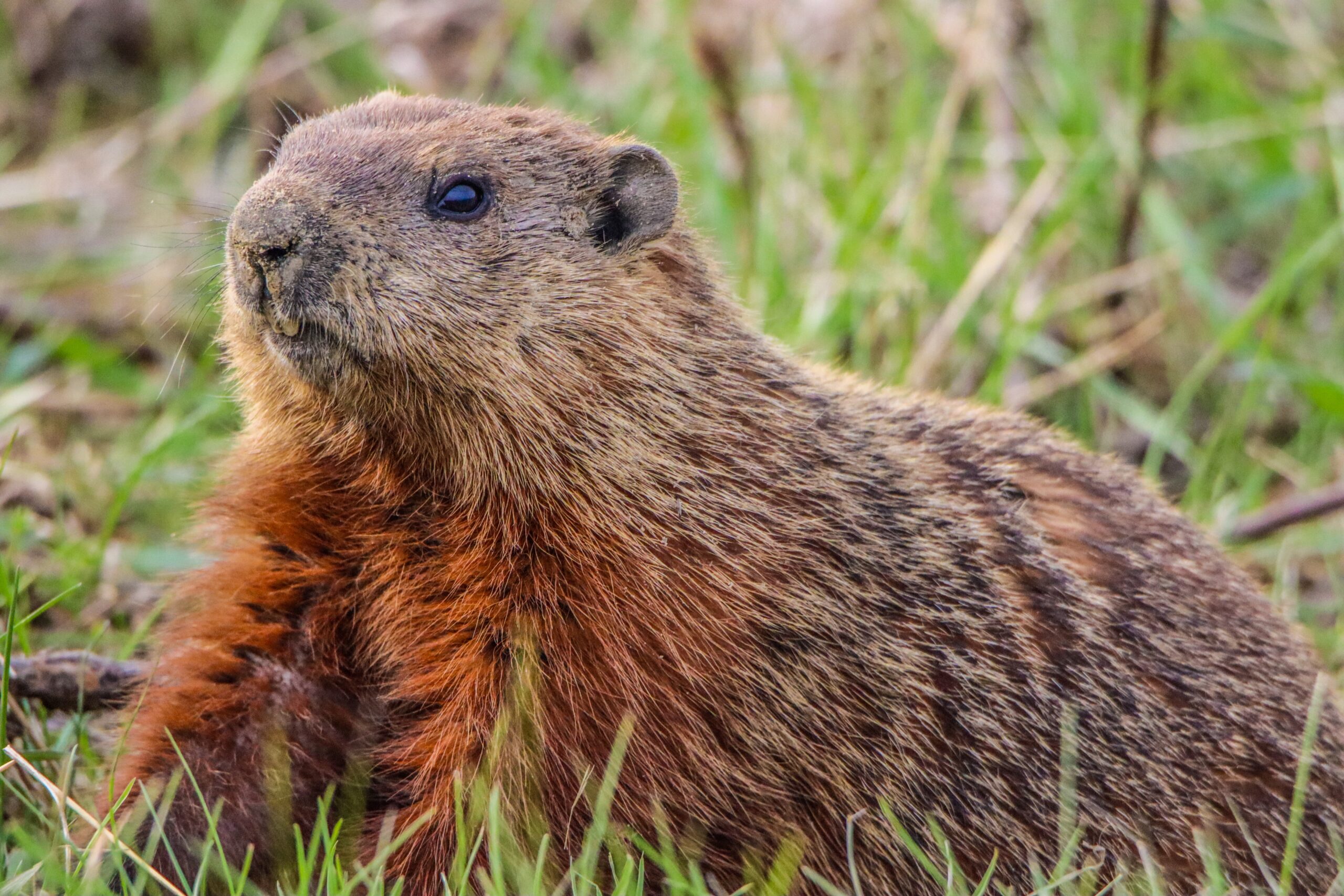
Groundhogs, also known as woodchucks, can cause significant damage to properties through their burrowing activities, affecting both landscaping and structural integrity. This article provides a comprehensive overview of safe and humane methods for groundhog removal, effective assessment of burrow damage, best practices for repair, and preventative measures to avoid re-infestation. Understanding these core aspects can guide property owners in mitigating the risks associated with groundhog activity and ensuring the longevity and safety of their properties. We will explore humane control methods, the importance of understanding burrow damage, and the integration of wildlife management with property repairs through detailed sections.
What Are the Safe and Humane Groundhog Control Methods?
Humane groundhog control methods aim to manage wildlife populations without causing harm to the animals. These methods are essential for both ethical considerations and effective long-term pest management. Safe techniques include humane trapping, which involves capturing the animal for relocation, and exclusion strategies, which prevent future invasions. Implementing these humane solutions minimizes risks to both the property owner and the wildlife community.
How Does Humane Trapping and Exclusion Work for Groundhog Pest Removal?
Humane trapping involves setting up traps that safely capture groundhogs without harming them. Common trapping devices include live traps that entice the animal with bait. Once captured, the groundhog can be relocated to an approved habitat, ensuring it is safe and away from human dwellings. Exclusion methods, such as erecting fences or barriers, prevent groundhogs from re-entering the property. By understanding their behavior and movement patterns, property owners can minimize future interactions.
Which Groundhog Exclusion Techniques Prevent Re-Infestation?
Preventing re-infestation requires strategic planning and implementation of effective exclusion techniques. Common methods include installing underground barriers, which can deter digging, and using fencing that is at least three feet high and buried a foot deep. Additionally, incorporating natural deterrents like specific plants can further discourage groundhogs from making a property their home. These exclusion techniques play a vital role in long-term pest prevention.
How Can You Identify and Assess Groundhog Burrow Damage on Properties?
Identifying and assessing groundhog burrow damage is crucial for effective property repair planning. Groundhog burrowing can compromise soil stability and damage landscaping, which may pose risks to structural safety if not addressed promptly.
What Are the Signs of Wildlife Burrows Affecting Structural Safety?
Signs of groundhog burrowing often include visible holes in the ground, mounds of displaced soil, and similar disturbances near homes and gardens. If left unchecked, these burrows can contribute to erosion or compromise the foundation of a structure. Recognizing these signs early can prevent more extensive damage and costly repairs down the line.
How Is Burrow Assessment Conducted for Effective Repair Planning?
Assessing burrow damage typically involves a thorough inspection of the property and identifying the extent of the burrowing. Tools such as probes can help evaluate soil stability and detect hidden tunnels. By clearly mapping out affected areas, property owners can prioritize repairs and address any immediate safety concerns before initiating the restoration process.
Expert Techniques for Wildlife Burrow Repair and Soil Backfilling
Repairing damages caused by burrows requires a systematic approach to ensure effective restoration. Proper techniques help maintain the integrity of the landscape and prevent future issues associated with groundhog activity.
Which Materials and Techniques Are Used for Animal Burrow Sealing?
When sealing burrows, it’s important to use materials that compact well and provide stability. Common options include soil mixtures combined with sand or gravel to promote drainage. Techniques such as filling the burrow completely and compacting the material help to eliminate any air pockets and provide a solid foundation for the surface above.
How Long Does Property Repair Take After Groundhog Removal?
Timelines for property repair largely depend on the extent of the burrow damage and the materials used for repairs. Generally, minor repairs can be completed in a few days, while extensive damage may require weeks for thorough assessment and restoration. Factors influencing repair duration include the type of materials chosen, weather conditions, and the complexity of the repair tasks involved.
How Does Property Damage Restoration Enhance Long-Term Structural Safety?
Restoration efforts after groundhog removal not only improve aesthetics but also enhance the long-term safety of the structures. Effective restoration helps prevent future hazards that may arise from previous damages, ensuring a secure living environment.
What Types of Property Repair Address Foundation and Landscaping Damage?
Property repair typically involves addressing both foundation and landscaping damage created by groundhogs. Foundation repairs might include reinforcing structural support and filling voids caused by burrowing. Landscaping restoration often involves replanting grass or other vegetation to cover disturbed areas, which aids in soil stabilization and aesthetic recovery.
How Are Repairs Integrated with Wildlife Control Services for Lasting Results?
Integrating property repairs with wildlife control services creates a comprehensive approach to managing groundhog activities. This collaboration ensures that repair strategies are aligned with preventative measures, allowing for a holistic solution that maintains long-term effectiveness. Such integration aids in developing ongoing maintenance plans that can support the sustainability of both the landscape and property safety.
What Preventative Maintenance and Exclusion Measures Help Avoid Groundhog Return?
Implementing preventative maintenance and exclusion measures is essential for ensuring that groundhogs do not return to a property, preserving the effectiveness of previous removal and repair efforts.
Which Seasonal Behaviors Influence Groundhog Re-Infestation Risks?
Seasonal behaviors of groundhogs can significantly impact re-infestation risks. During spring, they are particularly active as they emerge from hibernation. Understanding these patterns enables property owners to implement targeted exclusion strategies before this peak activity period, thereby reducing the likelihood of a return.
How Can Property Owners Implement Effective Groundhog Pest Removal Plans?
An effective groundhog pest removal plan involves a series of proactive steps. Property owners should conduct regular inspections, maintain clean surroundings that do not attract wildlife, and implement exclusion strategies immediately after removal activities. By planning ahead and adopting a thorough approach, the chances of future infestations can be minimized, securing the property’s integrity for years to come.